Ready to begin? This is the starter map for Fidelity Investments — which account to open first, which fund to hold, and how a beginner turns Fidelity Investments into a simple monthly habit.
Starting with Fidelity Investments is far less daunting than it sounds. You open one account — for most beginners a retirement account is the wise first move — add a small amount each month, and choose a single broad index fund to hold it in. That is genuinely enough to begin. Because it keeps costs low and the choices plain, a newcomer can be invested sensibly within an afternoon, without decoding a wall of jargon first.
The quiet magic here is that boring beats clever. Set an automatic monthly contribution, resist the urge to tinker, and let years do the work while you get on with life. A first-timer who treats Fidelity Investments as a standing habit rather than a hobby usually ends up ahead of the one who checks it every day.
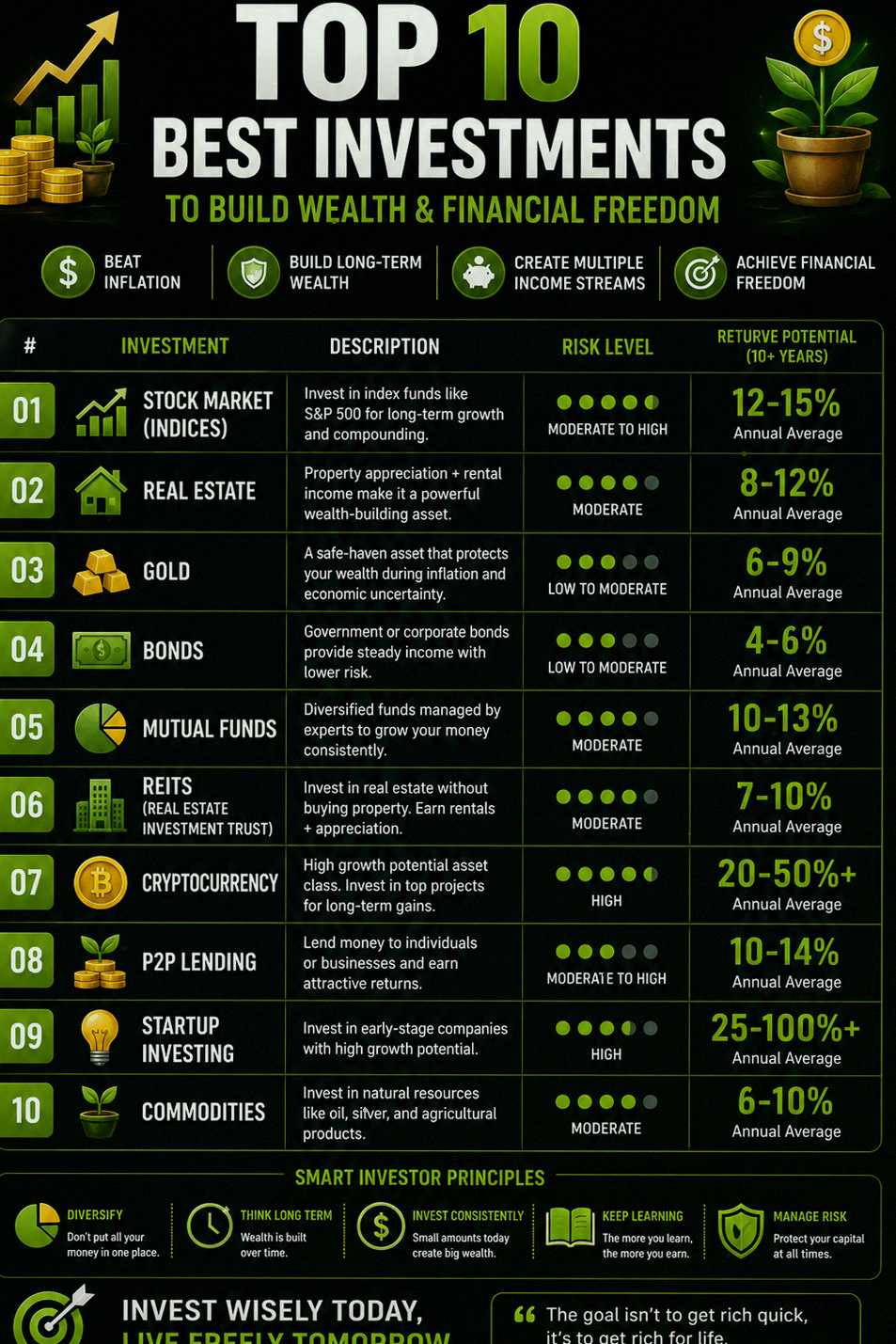
A retirement account is a sensible first step on Fidelity Investments.
A single diversified fund can be a whole beginner plan.
The beginners who do best on Fidelity Investments are the ones who automate and forget. Money goes in on schedule, the fund does its job, and the balance grows without daily attention.
A standing transfer removes the guesswork.
Headlines rarely help a long-term plan.
A quick sign-in shows your progress; no need to hover.
Type the address; never follow an emailed link.
Start wide with one fund; add detail only later.
Cheap funds keep more of your money invested.
Open an account, automate a little each month, hold one broad fund, and wait.
How to sign in